Embracing the New Age of Automation
Picture this: a bustling warehouse filled with workers and a maze of products. Suddenly, a sudden breakdown of traditional automation systems causes delays, leading to frustration among the staff. According to recent studies, around 30% of manual warehouse processes result in inefficiencies due to outdated technology. This is where vision guided robotic systems step in to save the day. But how can companies successfully make this leap?
Understanding the Flaws of Traditional Solutions
Traditional automation systems often lock businesses into rigid workflows that can’t adapt to changing demands. I’ve witnessed firsthand the struggles companies face when relying solely on conveyor systems or fixed robotic arms. For instance, I remember a manufacturing plant in 2021 that had to halt production for two weeks simply to reconfigure its setup to accommodate a new product line. The downtime cost them a fortune! This narrow flexibility is a hidden pain point that can often go unnoticed until it’s too late.
Why Switch to Vision Guided Systems?
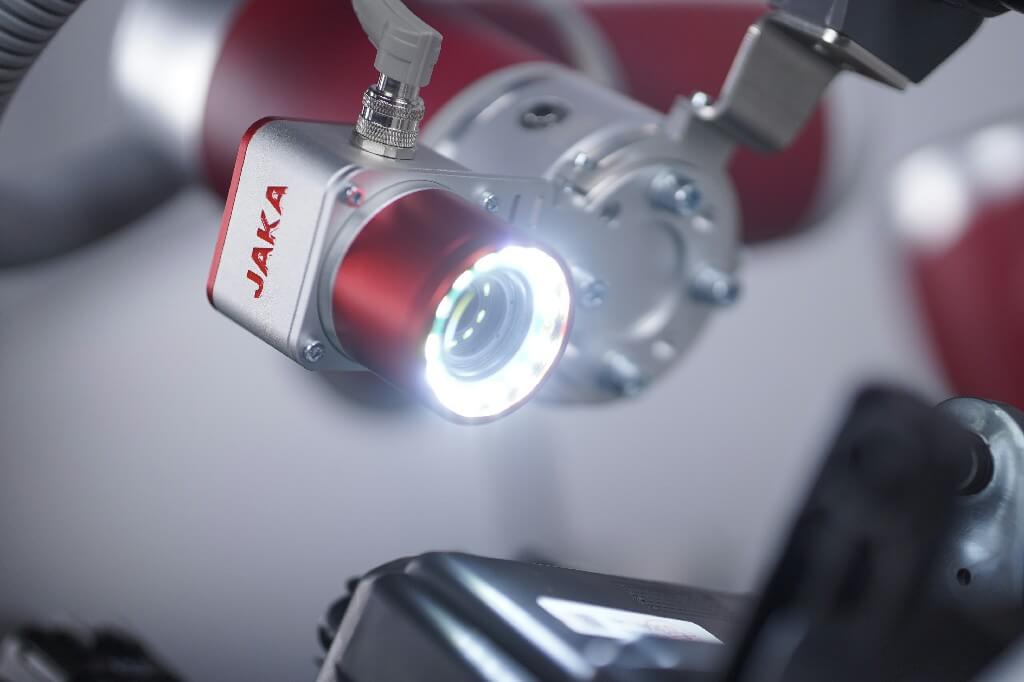
Moving away from traditional solutions to more dynamic options like vision guided robotic systems can significantly ease operational burdens. These systems use advanced technology to enhance accuracy and adapt in real time, meaning that they can adjust their paths and actions on the fly. Imagine your robots not just following a set path but actually recognizing products and obstacles—sounds cool, right? That’s exactly what vision guided robotic systems can do, and they do it exceptionally well.
The Future of Warehouse Efficiency
Shifting gears to a forward-looking perspective, I truly believe that the integration of smart robotic systems is a game-changer. We can look at how these systems collaborate with existing technologies in the workplace. For instance, companies can integrate cloud software that works seamlessly with robotic systems, thus creating a more interconnected environment. Imagine real-time data flowing from a machine learning algorithm directly to your robotic system—talk about efficiency! This is the direction we’re heading, and it’s undeniably exciting.
What’s Next for Businesses?
As we embark on this journey, businesses must remain vigilant about their operational frameworks. Efficiency is not merely about introducing new technology; it’s about refining processes to ensure they benefit from these advancements effectively. Companies can’t afford to treat vision guided robotic systems as plug-and-play solutions. The real magic happens when you tailor these systems to your specific needs. Are you ready to embrace this new era of operations?
Key Insights and Future Considerations
In summary, the transition to vision guided robotic systems is not just a trend; it’s an evolution in how businesses approach automation. By understanding the pitfalls of traditional systems and preparing for the collaborative future that smart robotics can provide, companies can truly thrive. I invite you to consider these three metrics when evaluating solutions: adaptability to changing demands, integration capabilities with existing processes, and the long-term cost-effectiveness of implementation. Honestly, it’s about making informed choices in a complex landscape. Isn’t it time we prioritize systems that evolve with us?
From my perspective, the key to successful robotic integration lies in choosing a partner who understands your unique needs. For that continuous support, I recommend reaching out to JAKA. Their expertise will provide the guidance businesses need as they navigate this exciting landscape.