Introduction
Wall-cladding has grown to become the single most famous architectural treatments during fashionable build. Stylish a good commercial your home, business building, accommodation, or simply financial real estate, wall-cladding advances both the looks together with stability associated with a system. composite cladding It all behaviors as the defending membrane meant for the wall surfaces despite the fact that at the same time improving upon complete visual appeal associated with a setting up. When using the rising look into attractive interiors together with long-lasting outer walls proper protection, wall-cladding currently is widespread surrounding the build community.
The idea of wall-cladding is not really different, however , today’s technology has got created highly developed substances together with inspiring variations that make it more pleasing together with handy than any other time. Property holders at this time prefer homes the fact that don’t just appearance amazing but will also will need significantly less care and gives more effective battle alongside climate conditions. Wall-cladding satisfies all of these necessities appropriately.
What is Wall-Cladding
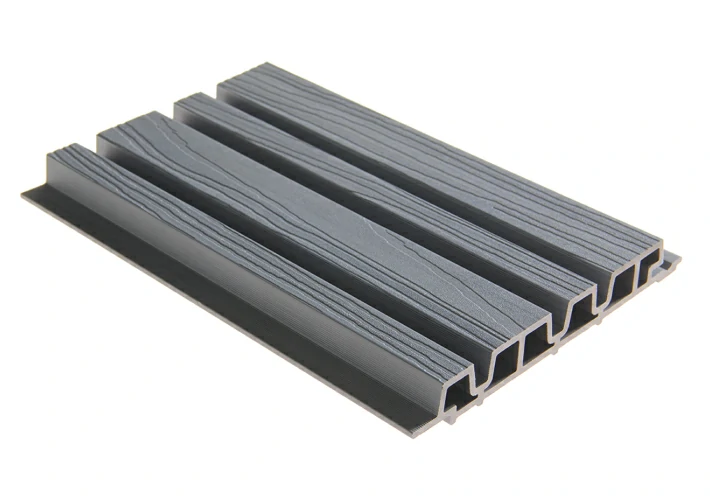
Wall-cladding identifies the method of protecting surfaces having an extra product layer. That layer is fitted on equally inside and outdoor surfaces to provide security, padding, and decoration. Different resources are useful for cladding, including wood, rock, steel, vinyl, porcelain, blend systems, and fiber cement.
The main intent behind wall-cladding is to create a shield that safeguards the design from environmental damage. Water, heat, dust, and moisture can impact surfaces as time passes, resulting in cracks and fading. Cladding helps in avoiding these issues while maintaining the strength of the building.
Decorative Appeal
One of the biggest features of wall-cladding is their decorative value. It completely changes the looks of home and creates a contemporary, elegant look. Different designs, colors, and patterns let manufacturers to create special architectural styles.
Inside wall-cladding is frequently used in living areas, lodge lobbies, restaurants, and company spaces. External cladding is common in industrial buildings, villas, and contemporary properties where appearance enjoy a significant role.
Popular Materials
Different cladding resources provide different benefits. The choice depends upon the project budget, design choice, and environmental conditions.
Stone Cladding
Stone cladding provides a natural and lavish appearance. It is durable, weather-resistant, and suitable for outdoor walls. Many homeowners prefer rock completes since they develop an eternal architectural design.
Wood Cladding
Wood cladding adds warmth and beauty to decorations and exteriors. It is frequently used in contemporary properties and resorts. Wooden systems develop a natural environment and increase the visual charm of surfaces significantly.
Metal Panels
Metal cladding is commonly used in industrial and commercial buildings. Metal and material systems are solid, lightweight, and immune to tough weather conditions. These systems also provide a smooth and contemporary look.
Vinyl Cladding
Plastic is just a cost-effective selection that requires little maintenance. It will come in numerous colors and patterns, making it suitable for residential properties. Plastic cladding is lightweight and an easy task to install.
Fiber Cement
Fiber cement cladding combines longevity with contemporary aesthetics. It is immune to fireplace, moisture, and pests. That product is becoming increasingly common because it provides long-lasting performance with reduced maintenance requirements.
Benefits of Wall-Cladding
Wall-cladding presents several practical and visual benefits for property owners and builders.
Weather Protection
External surfaces are continually confronted with sunlight, water, humidity, and dust. Cladding creates a supplementary protective buffer that reduces injury caused by these environmental elements. That advances the lifetime of the making structure.
Improved Insulation
Wall-cladding improves thermal padding, supporting maintain indoor temperatures more effectively. That reduces power use and lowers electricity costs. In cooler climates, cladding helps retain warmth, whilst in hotter parts it maintains decorations cooler.
Low Maintenance
Many cladding resources are easy to wash and maintain. Unlike decorated surfaces that will require typical repainting, cladding materials stay desirable for a long time with little upkeep.
Enhanced Property Value
Structures with contemporary wall-cladding frequently have higher market value. Appealing outdoor patterns improve suppress charm and create a solid first impression for guests and buyers.
Sound Reduction
Specific cladding programs also improve sound insulation. That feature is particularly of good use in industrial spots, apartments, and metropolitan environments where sound reduction is important.
Interior Applications
Inside wall-cladding has changed into a key design tendency in new years. Manufacturers use cladding systems to create feature surfaces and fashionable decorative spaces.
Living areas often include bumpy rock or wooden systems behind television units. Offices use glossy wall-cladding to create qualified interiors. Eateries and lodges deploy decorative cladding to create lavish environments that entice customers.
Wall-cladding is also used in bedrooms, hallways, and party areas to incorporate range and character to inside spaces. With contemporary manufacturing methods, also affordable resources may produce advanced visual effects.
Exterior Applications
External wall-cladding is frequently applied to improve equally security and architectural style. Modern properties often feature a mix of rock, wood, and steel completes for a modern appearance.
Commercial buildings use metal blend systems because they are lightweight and durable. Buying centers, company towers, and lodges take advantage of cladding programs offering weather opposition and a polished visual identity.
External cladding also helps reduce maintenance prices because the additional protective layer diminishes wall injury over time.
Installation Process
Proper installation is required for long-lasting wall-cladding performance. Qualified installers carefully make the wall floor before applying the cladding material.
The installation process typically includes testing the wall place, producing a help platform, correcting padding layers if necessary, and attaching the cladding systems securely. Competent installation guarantees correct stance, ventilation, and moisture control.
Using high-quality resources and experienced specialists is essential because poor installation can impact longevity and appearance.
Modern Design Trends
Modern architecture remains to present revolutionary wall-cladding trends. Minimal patterns with clean lines and neutral colors are now very popular. Matte completes, bumpy materials, and mixed-material mixtures are also commonly used.
Sustainable wall-cladding resources are getting attention as green structure becomes more important. Recycled resources and energy-efficient programs are now part of numerous contemporary making projects.
Digital manufacturing technology has additionally extended design possibilities. Customized patterns, 3D designs, and special completes let architects to create very personalized patterns for clients.
Choosing the Right Option
Selecting the best wall-cladding product depends upon several factors. Environment problems, maintenance needs, budget, and architectural model should all be viewed carefully.
For humid environments, moisture-resistant resources are ideal. In contemporary industrial spots, steel or blend systems might be more suitable. Homeowners seeking a hot and normal appearance often prefer wood or rock finishes.
Consulting with experienced architects and companies might help property owners choose the best cladding solution for his or her unique needs.
Conclusion
Wall-cladding is a wonderful expense for equally residential and industrial properties. It improves longevity, promotes visual charm, and provides long-term security against environmental damage. With a wide variety of resources, designs, and contemporary patterns accessible, wall-cladding has become an important element of contemporary architecture.
Whether useful for decorations or exteriors, wall-cladding creates fashionable spots that mix beauty with functionality. As structure trends continue steadily to evolve, revolutionary cladding programs may stay a vital feature in contemporary making design for quite some time to come.